
The Inner Enemy and Forgiveness
Little WomenThe novel traces how anger, pride, vanity, and selfishness are repeatedly exposed, resisted, and transformed through loving relationships.
increasing Bearing strength in each event
 decreasing
Bearing strength in each eventdecreasingThe Breakfast Quarrel
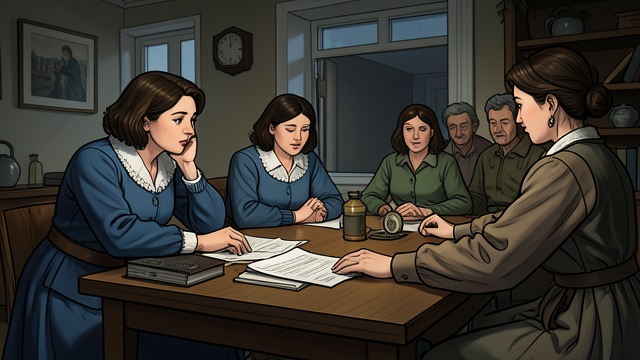
Small Frictions
Family Irritation
The sisters quarrel over work, money, manners, and gender. Their affection is real but constantly tested by fatigue and envy.
Moral Recognition
Mrs. March’s letter and the shared breakfast charity convert complaint into gratitude. The first conflict establishes the scale on which later moral victories will be measured.
The Burning Anger
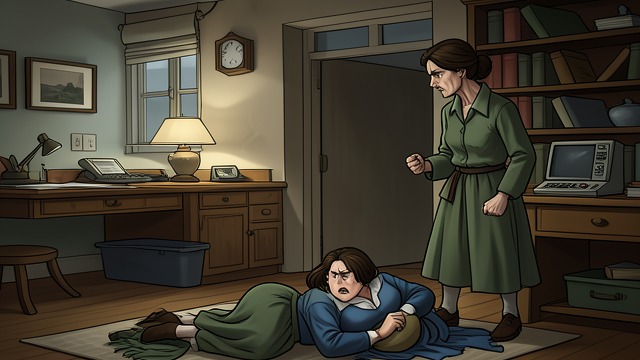
Fury’s Consequence
Violence
Josephine March responds to Amy Curtis March’s revenge with physical anger and vows never to forgive her.
Crisis of Conscience
Amy Curtis March’s fall through the ice shows that anger can become deadly through indifference. Josephine March learns that postponing forgiveness is itself a moral danger.
The Croquet Test

Restraint in Competition
Provocation
Fred Vaughn cheats during croquet and insults American honesty. Josephine March nearly answers with rage.
A Partial Victory
She retreats among nettles until her anger subsides, then wins without open violence. The episode proves progress is possible even when resentment remains active.
The Secret Letters

Mischief and Shame
False Courtship
Theodore Laurence writes a deceptive love letter to Margaret March as revenge against Josephine March. The joke humiliates Margaret March and disturbs the family.
Restorative Mediation
Mrs. March confronts Theodore Laurence, and Josephine March later persuades him and James Laurence to reconcile. Humor is accepted only after accountability.
The Final Renunciation
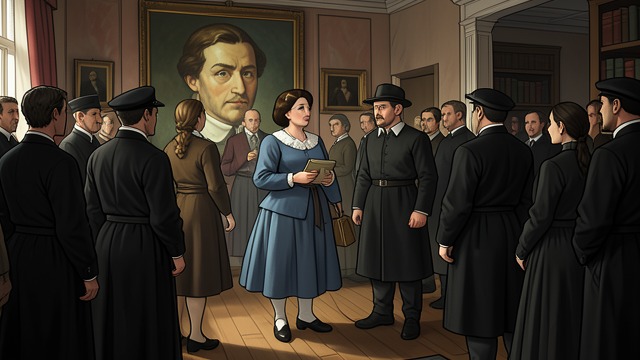
Ambition Surrendered
A New Burden
Josephine March feels trapped by duty and grieves the loss of her most intimate companion. She resists the life Elizabeth March asked her to lead.
Acceptance
Through parents, work, and memory, Josephine March chooses service without pretending it is easy. Her self-conquest becomes a continuing practice rather than a completed triumph.
the opening Christmas season
after Amy burns the manuscript
the first Camp Laurence afternoon
the winter after Elizabeth March’s recovery
after Elizabeth March’s death
